TMJ and Neurological Symptoms: What You Need to Know
TMJ disorder can affect more than your jaw. A Gilbert dentist explains the neurological symptoms linked to TMJ.
Published on
May 21, 2026

TMJ disorder can affect more than your jaw. A Gilbert dentist explains the neurological symptoms linked to TMJ.
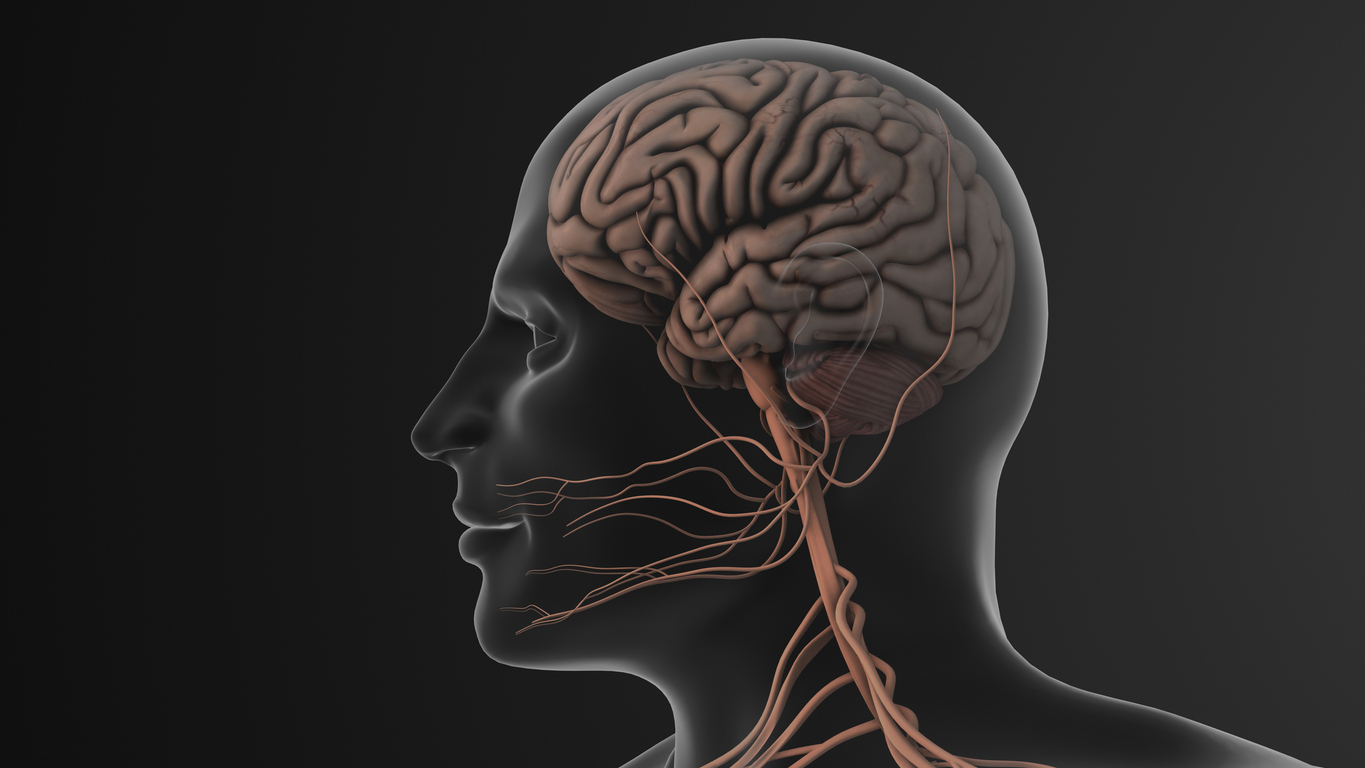
Do you often experience headaches, dizziness, or tingling sensations in your face or jaw? These symptoms may indicate temporomandibular joint disorder — and while TMJ is widely known for its effects on jaw muscles and movement, many people are unaware that it can also have a significant impact on neurological function.
Research suggests that women tend to experience TMJ neurological symptoms more frequently than men, and studies show that those with TMJ symptoms are more likely to perform worse on cognitive function tasks.
Learn about TMJ diagnosis and treatment at our Gilbert dental office → East Valley TMJ
TMJ, or temporomandibular joint disorder, is a condition affecting the jaw joint that connects the jawbone to the skull. When something goes wrong with this joint, it can produce jaw pain, facial pain, and difficulty opening or closing the mouth. TMJ can also cause discomfort when chewing, yawning, or talking, and has been associated with neurological symptoms including headaches, dizziness, and tingling or numbness in the face or jaw.
Recent neurological research has shown that TMJ can impact brain activity and cognitive function. Researchers found that patients with TMJ had decreased activity in the prefrontal cortex — the region responsible for decision-making, working memory, and other higher cognitive functions. Some patients also experience "brain fog" in which chronic pain affects short-term memory.
A study published in the Journal of Oral & Facial Pain and Headache found that TMJ patients had higher levels of depression and anxiety than healthy individuals. Treating TMJ early may help prevent neurological and mental health complications from developing over time.
• Headaches — Chronic headaches, particularly in the temple region or behind the eyes, that may not respond to conventional treatments
• Dizziness — Lightheadedness or dizziness, particularly when moving the head or standing up
• Facial pain — Pain and discomfort in the jaw, cheekbones, and temples
• Tingling or numbness in the face or jaw
• Ear problems — Ear pain, tinnitus, and difficulty hearing
• Neck pain — Persistent stiffness and pain in the neck and shoulders
• Cognitive problems — Memory loss, difficulty concentrating, and brain fog
The following approaches may help alleviate symptoms while a formal diagnosis and treatment plan is pursued.
Stress can trigger TMJ symptoms. Practicing breathing exercises or meditation can help reduce tension in the jaw.
Over-the-counter NSAIDs such as ibuprofen can help alleviate pain and discomfort. In some cases, muscle relaxants or antidepressants may be prescribed.
Hard or chewy foods can worsen TMJ symptoms. Avoiding them can reduce pain and discomfort.
Applying heat or ice to the jaw can help reduce inflammation and relieve pain.
Physical therapy can help improve jaw mobility and reduce pain associated with TMJ.
A dentist may recommend bite guards or orthodontic treatment to help manage TMJ symptoms.
Yes. Research has shown that TMJ can change brain activity and cognitive function, particularly in areas responsible for pain processing, decision-making, and working memory. Chronic pain associated with TMJ can also contribute to anxiety and depression.
TMJ does not typically show up on a brain MRI, as it affects the jaw joint and surrounding muscles, which are outside the brain. A brain MRI may be ordered if a healthcare provider suspects neurological symptoms are due to an underlying brain condition.
In rare cases, TMJ can cause permanent nerve damage if left untreated for an extended period. Permanent nerve damage from TMJ is relatively uncommon.
Yes. The TMJ is located close to several important nerves, including the trigeminal nerve (facial sensation) and the facial nerve (facial movement). Misalignment or damage to the joint can place pressure on these nerves and produce neurological symptoms.
If you are experiencing neurological symptoms alongside jaw pain, Dr. John A. Garza DDS, LVIF, FIAPA, FICOI can provide a comprehensive evaluation and recommend appropriate treatment. No referral needed — book online or call (480) 539-7979.
Dr. John A. Garza DDS, LVIF, FIAPA, FICOI has been practicing dentistry in Gilbert, AZ since 1994. He is highly trained in neuromuscular and physiologic dentistry, with extensive experience diagnosing and treating TMJ disorder, orofacial pain, and jaw dysfunction. One of fewer than 500 dentists worldwide to hold the LVIF designation from the Las Vegas Institute for Advanced Dental Studies.

.png)
.png)
Whether you’re overdue for a cleaning, looking for relief from TMJ pain and migraines, or are ready to transform your smile, Dr. John A. Garza welcomes new patients to his Gilbert dental office.
Book your appointment online in seconds or call to speak with our friendly team.

Welcoming New Patients
Most Insurances Accepted
1,000’s of Happy Patients