TMJ Disorder vs. Lockjaw: How to Tell the Difference
Locked jaw or TMJ disorder? A Gilbert TMJ dentist explains the difference, common causes of jaw locking, and when to seek treatment.
Published on
May 21, 2026

Locked jaw or TMJ disorder? A Gilbert TMJ dentist explains the difference, common causes of jaw locking, and when to seek treatment.
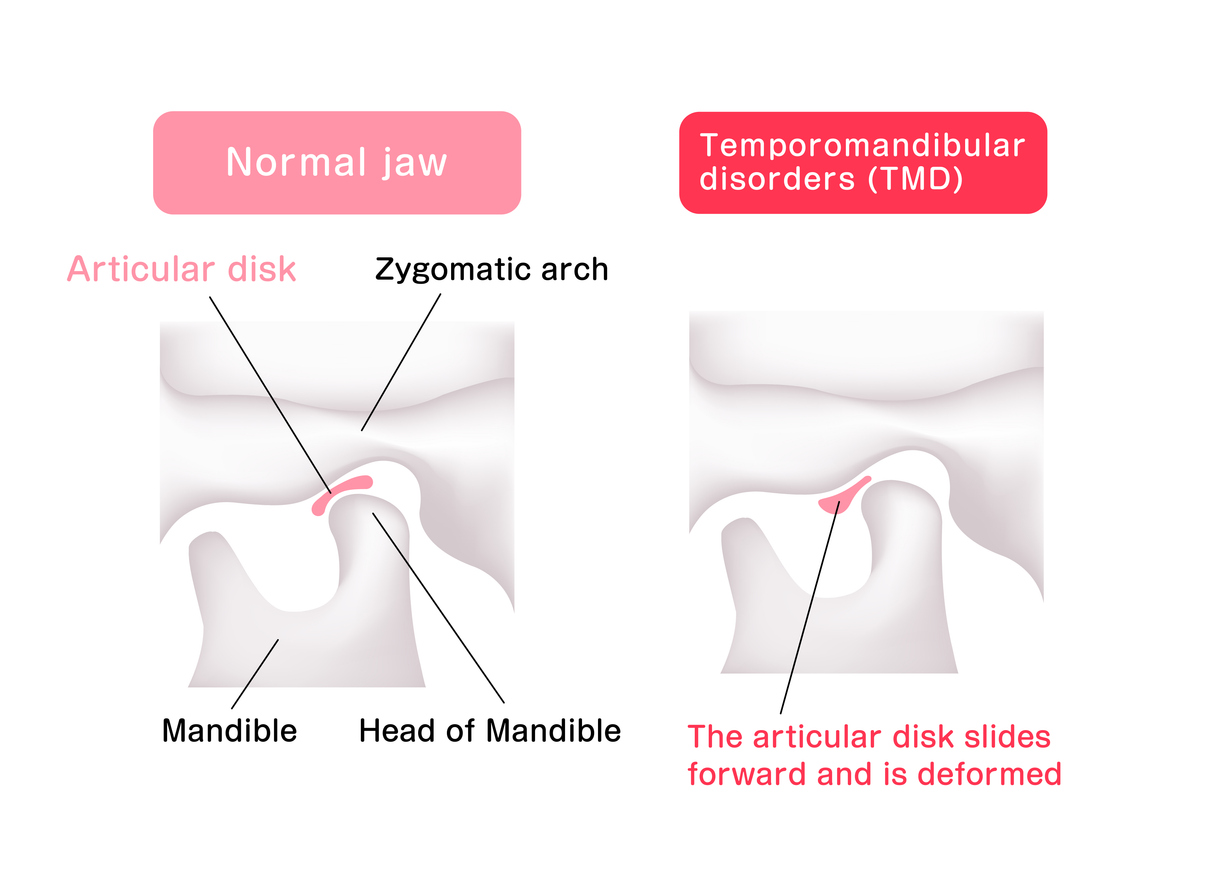
"Lockjaw" is sometimes used loosely as an umbrella term for all TMJ-related disorders — but the two are not the same thing. Understanding the distinction matters because the cause and treatment can differ significantly.
Learn about TMJ diagnosis and treatment at our Gilbert dental office → East Valley TMJ
A locked jaw can be caused by a displaced TMJ disc or temporomandibular joint dislocation. The jaw-catching or locking sensation typically occurs when the disc falls out of position and the jaw becomes misaligned. Patients with jaw lock may also experience headaches, migraines, and ear pain. Having TMJ issues does not necessarily result in a locked jaw — it is one possible symptom, not a guaranteed outcome.
Jaw lock is one symptom that can occur within the broader spectrum of TMJ conditions. It is typically caused by a displaced articular disc and characterized by muscle and joint inflammation. Treatment can include physical therapy, muscle relaxants or anti-inflammatories, oral devices, or occasionally oral surgery.
TMD causes pain in the jaw joint and surrounding muscles, and can result in locking, throbbing pain, and sensitivity in or around the ear, jaw, and face. Pain during chewing and clicking sounds are also common.
Stress can cause jaw clenching and teeth grinding both during sleep and while awake, resulting in pain, stiffness, and tension headaches.
Teeth grinding and clenching can be caused by stress, genetics, or misaligned teeth. It can produce facial, neck, and jaw stiffness, as well as headaches.
Tetanus is a severe bacterial infection and one of the few actual causes of true lockjaw. It affects the muscles and nervous system, starting in the neck and jaw before spreading.
Certain medications — particularly anti-nausea drugs like metoclopramide and some antipsychotics — can interfere with nerve function and cause jaw muscle spasms.
A custom night guard prevents enamel-on-enamel contact and reduces the effects of bruxism. Custom-made options are more effective than over-the-counter ones.
Pain relievers such as ibuprofen can help alleviate jaw discomfort. Muscle relaxants or antidepressants may also be prescribed.
Reserved for severe cases that have not responded to conservative management.
Dr. John A. Garza DDS, LVIF, FIAPA, FICOI can evaluate your condition and help you find relief from lockjaw and other TMJ symptoms. No referral needed — book online or call (480) 539-7979.
Dr. John A. Garza DDS, LVIF, FIAPA, FICOI has been practicing dentistry in Gilbert, AZ since 1994. He is highly trained in neuromuscular and physiologic dentistry, with extensive experience diagnosing and treating TMJ disorder, orofacial pain, and jaw dysfunction. One of fewer than 500 dentists worldwide to hold the LVIF designation from the Las Vegas Institute for Advanced Dental Studies.

.png)
.png)
Whether you’re overdue for a cleaning, looking for relief from TMJ pain and migraines, or are ready to transform your smile, Dr. John A. Garza welcomes new patients to his Gilbert dental office.
Book your appointment online in seconds or call to speak with our friendly team.

Welcoming New Patients
Most Insurances Accepted
1,000’s of Happy Patients