Waking Up With Jaw Pain: Causes & Treatments
Waking up with jaw pain? Learn the most common causes — bruxism, TMJ, sleep apnea — and effective treatments from a Gilbert dentist.
Published on
April 27, 2026

Waking up with jaw pain? Learn the most common causes — bruxism, TMJ, sleep apnea — and effective treatments from a Gilbert dentist.
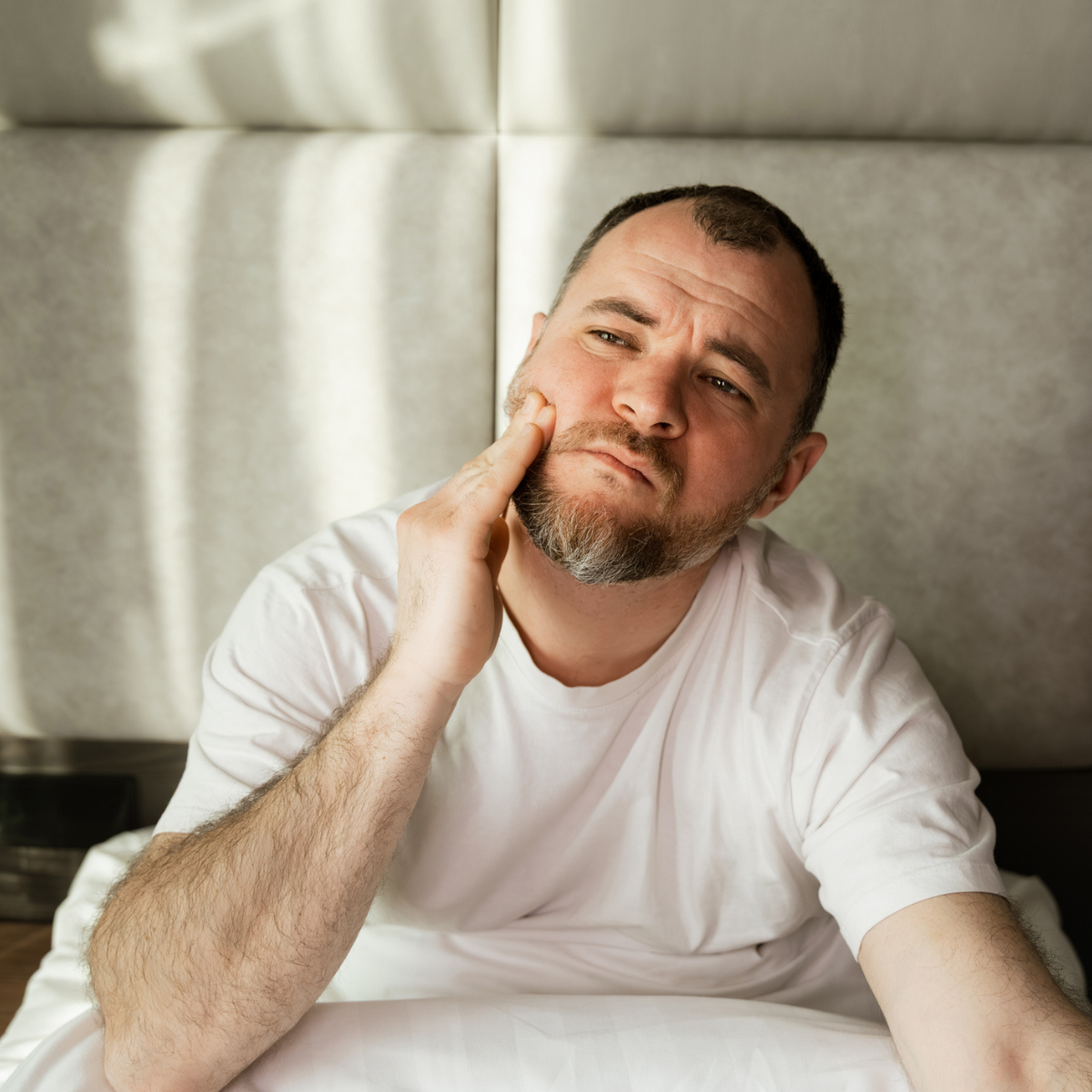
While sleeping, you may experience various pains and aches. One of the most common muscle complaints that many people experience upon waking is jaw pain. Jaw pain is an inflammation, irritation, or movement disorder of your jaw muscles, joints, ligaments, and tendons. Although jaw pain can indeed be frustrating, it should never be ignored.
This blog post will discuss what can cause jaw pain after sleeping and the most effective treatments to alleviate it. Whether you have experienced this issue regularly or recently, this guide can help you manage your jaw pain better.
Learn about TMJ diagnosis and treatment in Gilbert, AZ
Waking up with jaw pain can be an uncomfortable experience. Although there are many causes of jaw pain, it can be particularly frustrating when it occurs after getting a full night of sleep. Here are some common causes of jaw pain after sleeping.
Teeth grinding and clenching, also known as bruxism, is a common cause of jaw pain. It often occurs at night when you are sleeping and unaware of the habit. Stress and anxiety are common triggers for bruxism, and it can cause damage to your teeth and jaw joints over time. Wearing a nightguard can protect your teeth and alleviate the pain associated with grinding and clenching.
The temporomandibular joint (TMJ), also known as the hinge of the jaw, connects the mandible bone to the cranium. TMJ issues can induce pain in the jaw joint and surrounding muscles and popping or clicking sounds when you open your mouth.
The way you sleep can also contribute to jaw pain. Sleeping on your stomach or with your face pressed against the pillow can put pressure on your jaw, leading to pain and discomfort. Try to lay flat on your back when sleeping and use a pillow to support your neck and head, or use a cervical pillow designed to alleviate pressure on your jaw.
Poor posture during the day can also contribute to jaw pain at night. Slouching or hunching over can strain your neck and jaw muscles, leading to pain and discomfort while you sleep. To improve posture and reduce strain, take frequent breaks throughout the day to stretch. Strengthen your neck and shoulder muscles by considering physical therapy exercises.
You may wake up one morning asking yourself, "why does my jaw hurt?" This condition can make you feel stiff and sore for hours. Aside from the primary reasons mentioned above, there are still some additional factors to consider.
Dental problems, such as toothache, cracked or sensitive teeth, or abscesses, can be a factor in jaw pain, especially in the morning. Teeth-related issues can lead to jaw pain because they can cause inflammation or irritation in the tissues surrounding the jaw joint. Additionally, if you've recently had dental work, such as a filling or crown, your jaw may be sore and tender, making it difficult to chew or open your mouth wide.
Stress, whether from work, relationships, or other personal factors, can lead to physical tension in the body. When this tension is concentrated in the jaw muscles, it can cause pain and discomfort that is most noticeable upon waking up. When we experience stress, the body releases hormones such as cortisol and adrenaline that cause the muscles to tighten. If the stress becomes chronic or prolonged, it can cause chronic muscle tension and pain.
Arthritis is a condition that can affect any joint in the body, including the temporomandibular joint (TMJ). When the jaw joint is affected by arthritis, it can cause jaw pain in the morning due to inflammation. Arthritis causes inflammation and swelling in the joint, and when the body is at rest during sleep, these symptoms can worsen, leading to stiffness and pain in the jaw joint in the morning.
Sleep apnea is a condition in which an individual's breathing is interrupted while they are asleep. One common symptom of sleep apnea is waking up with jaw pain in the morning, because the individual may have been clenching their teeth or grinding them together during the night. If the individual is wearing a CPAP mask to treat their sleep apnea, the pressure from the mask can also cause jaw pain.
Certain nutrients play a crucial role in maintaining the health of our bones, teeth, and muscles, including those in the jaw. Calcium is essential for strong bones and teeth, and magnesium is essential for healthy muscles, including jaw muscles. Deficiencies in these or other key nutrients can lead to muscle weakness or spasms, contributing to jaw pain.
Misaligned teeth can be a factor in why your jaw hurts in the morning. When teeth are not properly aligned, they can cause an uneven distribution of pressure on the jaw while sleeping. This uneven pressure can lead to discomfort and pain in the jaw after waking up. In some cases, misaligned teeth may also contribute to the development of temporomandibular joint (TMJ) disorder.
Millions of people suffer from jaw pain after sleeping, often a sign of a temporomandibular joint disorder (TMJ). Thankfully, there are various treatments available to reduce discomfort. Here are some practical ways to relieve jaw pain after sleeping.
Regular exercise not only helps keep your overall health in check but can also reduce jaw pain. Aerobic activities such as jogging or cycling can help reduce stress and tension in the jaw muscles. Strength exercises like chin tucks and neck stretches can also help strengthen the muscles in your jaw area and improve jaw function.
The choice between heat or cold therapy will depend on the cause of your jaw pain. If the pain is due to muscle tension or spasms, heat therapy may be more effective. If the pain is due to inflammation or swelling, cold therapy may be a better option.
Mouthguards are custom-made oral appliances worn over your teeth while sleeping. Mouthguards work by creating a protective barrier between your teeth, preventing them from grinding or clenching against each other. This controls further teeth damage and relieves symptoms such as jaw pain, headaches, and facial muscle soreness.
Hard foods require more effort to chew, which can weaken the muscles and jaw joints, aggravating any existing pain or discomfort. Habits such as chewing gum or biting your nails can also strain the jaw and lead to further pain or discomfort.
Changing your sleeping position can help reduce the pressure on your jaw and prevent it from clenching at night. Sleeping on your side is typically the best position for managing jaw pain, as it reduces the pressure on your jaw and keeps your airway open.
Magnesium and calcium are essential minerals that play a role in muscle relaxation, nerve function, and bone health. Individuals who experience jaw pain after sleeping may be deficient in magnesium, which can cause muscle spasms or contractions.
If your jaw pain persists despite home treatments, seeking professional help is important. Your dentist or orthodontist may suggest you see a physical therapist specializing in TMJ disorders or suggest a more aggressive approach, such as medication or surgery.
If you have mild jaw pain after sleeping, try avoiding hard or chewy foods and using heat or cold compresses to provide self-care. However, if your pain is severe, does not go away, or is accompanied by other symptoms like difficulty opening or closing your mouth, clicking or popping noises, or swelling, it's essential to seek medical advice. These symptoms could be signs of a more severe condition, such as TMJ disorder, arthritis, or an infection.
If you're suffering from jaw pain in the morning, it's important to seek expert advice to uncover the root of the problem and create a personalized treatment strategy. As a TMJ dentist in Gilbert, AZ, Dr. John A. Garza DDS, LVIF, FIAPA, FICOI has extensive experience treating jaw pain and can provide customized solutions to help alleviate your pain. Don't let jaw pain control your mornings any longer. Schedule an appointment at our Gilbert dental office today.
Book a jaw pain / TMJ consultation in Gilbert, AZ
About the Author
Dr. John A. Garza DDS, LVIF, FIAPA, FICOI has been practicing dentistry in Gilbert, AZ since 1994. He is highly trained in neuromuscular and physiologic dentistry, with extensive experience diagnosing and treating TMJ disorder, bruxism, and jaw pain at his Gilbert dental practice.

.png)
.png)
Whether you’re overdue for a cleaning, looking for relief from TMJ pain and migraines, or are ready to transform your smile, Dr. John A. Garza welcomes new patients to his Gilbert dental office.
Book your appointment online in seconds or call to speak with our friendly team.

Welcoming New Patients
Most Insurances Accepted
1,000’s of Happy Patients