Is There an Over-the-Counter Muscle Relaxer for TMJ Disorder?
Wondering if OTC muscle relaxers can help TMJ pain? A Gilbert TMJ dentist explains medications, supplements, and non-drug treatment options.
Published on
April 20, 2026

Wondering if OTC muscle relaxers can help TMJ pain? A Gilbert TMJ dentist explains medications, supplements, and non-drug treatment options.
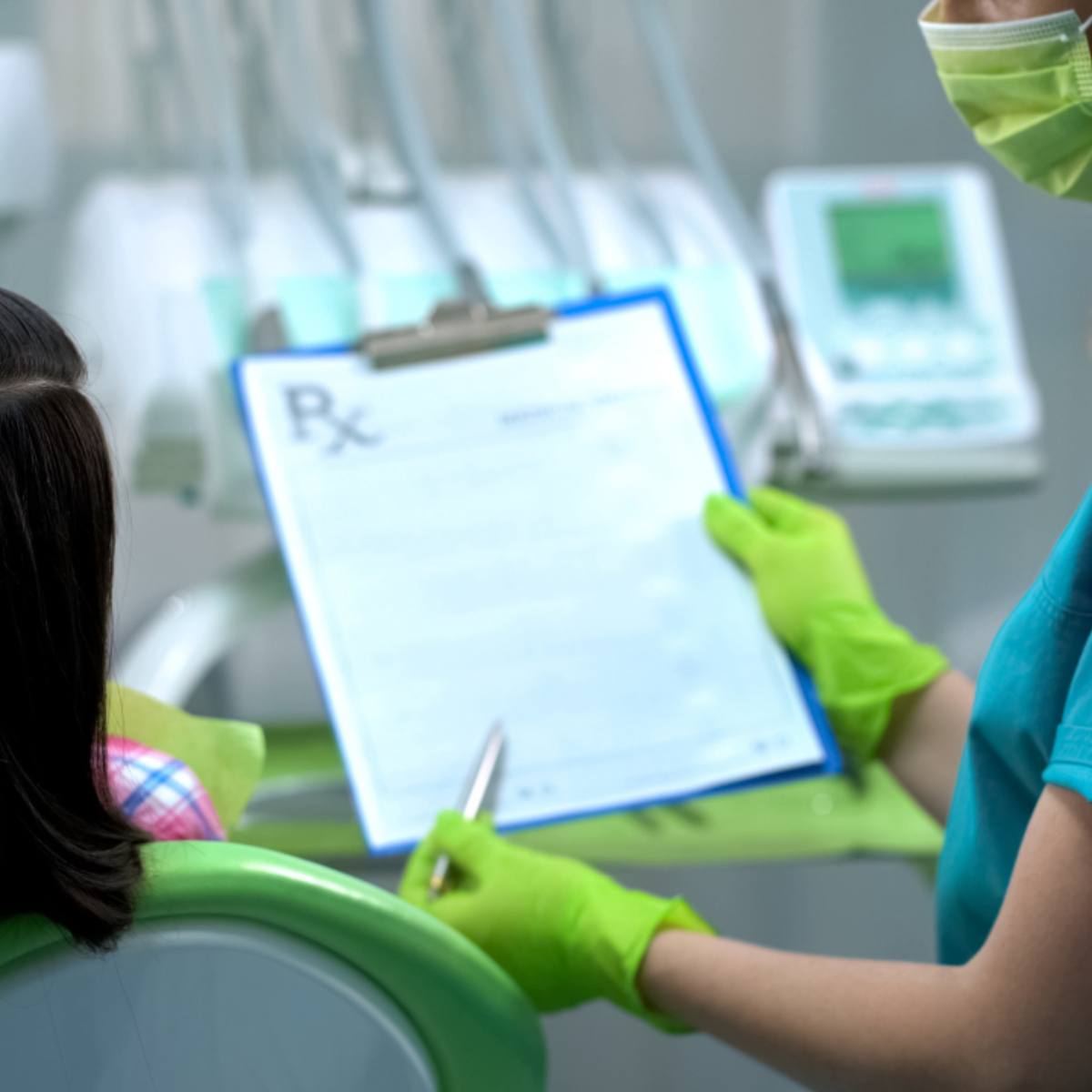
Temporomandibular joint (TMJ) issues can result in symptoms ranging from bothersome to excruciating. Several conditions — such as teeth grinding and arthritis — may lead to TMJ issues. However, home remedies, medicines, and other therapies are available to help manage TMJ pain.
This article will explore medications to relieve TMJ pain, including over-the-counter muscle relaxers.
Learn about TMJ diagnosis and treatment at our Gilbert dental office
The TMJ is one of the most complicated joints, allowing for various movements, including speaking, eating, and yawning. You can detect the TMJ by placing your finger in front of your ear and opening your mouth until you feel the movement of the joint.
TMJ problems are the second most prevalent musculoskeletal illness in the United States, behind only persistent low back pain. However, too frequently, TMJ issues go untreated or misdiagnosed for years due to the similarity of their symptoms to those of other conditions.
• TMJ-related headaches — frequently misinterpreted as tension headaches. Conventional therapies will not be effective when a TMJ dysfunction is the underlying cause of a headache
• Discomfort or tenderness of the jaw and jaw joint region — ranging from a general aching sensation to incapacitating pain during chewing
• Uncomfortable or sore jaw muscles — the masseter is the principal jaw muscle, covering the sides of the jaw and immediately below the cheek; when painful, the sensation might resemble widespread facial discomfort in the cheeks, jaw, and TMJ
• Ear pain — TMJ-related ear pain is frequently felt in front of or below the ear, rather than within the ear as with an infection; pain that worsens when you move your mouth is also indicative of a TMJ condition
• TMJ discomfort may occur at any moment, whether the jaw joint is at rest or in motion
Sometimes TMJ disorder-related sounds can be so loud that anyone can hear them. The soft cartilage disc that cushions the surfaces of the jawbone may be out of place if you hear popping and clicking sounds.
When you have a severe case of TMJ disease, your jaw joint might become severely immobile when your mouth is open or closed. If this occurs, seek immediate assistance from a TMJ treatment specialist.
In most cases, TMJ issues originate in the jaw joint or muscles, but they can also impact the central nervous system. Once the central nervous system is engaged, therapy of TMJ issues is individualized and personalized to the patient, rather than focusing solely on the joint and muscle level.
Avoid consuming things that can cause jaw pain, such as nuts, hard candies, and chewy foods like gum and taffy. When TMJ pain flares up, eating soft foods such as bananas, yogurt, and eggs might help the jaw joint rest until facial pain subsides.
According to the TMJ Association (TMJA), NSAIDs such as ibuprofen may provide short-term relief from jaw and muscular pain for many individuals.
A treatment provider can prescribe centrally acting muscle relaxants to ease jaw pain and discomfort caused by TMJ disorder by relaxing the jaw and facial muscles and decreasing muscle spasms.
Numerous FDA-approved drugs for other disorders — such as depression or seizures — also function on the same nerves that cause pain and can help alleviate discomfort. Tricyclic antidepressants may be prescribed to aid in the management of chronic TMJ pain, targeting the neurotransmitters serotonin and norepinephrine in the brain.
Different subgroups of individuals with TMJ issues respond to therapy differently. Just because another individual with a TMJ issue has a favorable or adverse reaction to a certain medicine does not guarantee that you will have the same outcome.
It is essential to maintain continuous communication with your primary care physician so that they can evaluate the effects of these drugs and provide guidance on side effects and drug interactions. Some prescriptions have unwanted side effects such as drowsiness or weight gain, and some medications may interfere with other medications you are already taking. Due to the potency of muscle relaxants, they are typically used for only a few days or weeks.
It has been proposed that injecting botulinum toxin Type A (Botox) into the chewing muscles could reduce muscle spasms and pain by inhibiting muscle contraction. A scientific literature survey revealed inconclusive information about the efficacy of botulinum toxin in treating myofascial pain in the neck and head muscles.
Typically, over-the-counter drugs are the first-line therapy for TMJ-related discomfort. The two most prevalent types are acetaminophen and nonsteroidal anti-inflammatory drugs (NSAIDs). Before using any over-the-counter drug, including pain medications, you should always consult your physician.
NSAIDs have transformed pain management by lowering inflammation. They include the following:
• Aspirin — lowers pain-, fever-, and inflammation-causing chemicals in the body
• Ibuprofen (Advil, Motrin) — inhibits the formation of prostaglandins, hormone-like chemicals that produce pain, inflammation, and swelling in the body
• Naproxen (Aleve) — inhibits the enzyme responsible for producing prostaglandins
• Acetaminophen (Tylenol) — alleviates pain by increasing the total pain threshold of the body; in contrast to NSAIDs, acetaminophen lacks anti-inflammatory effects
In 2019, research performed by NYU demonstrated that self-care is highly useful for controlling TMD. For mild to moderate symptoms of TMJ issues, at-home therapy alternatives such as warm compresses and exercises can be employed. Other treatment methods, such as mouth guards, prevent tooth grinding, which may exacerbate symptoms. In severe circumstances, a specialist may recommend surgery to correct a structural issue with the joints.
If you are experiencing jaw pain and discomfort in Gilbert, schedule a consultation with Dr. John A. Garza DDS, LVIF, FIAPA, FICOI today. As a TMJ dentist in Gilbert, AZ, Dr. Garza can help identify the source of your symptoms and develop a personalized treatment plan — from over-the-counter recommendations to custom oral appliances, physiologic jaw analysis, and more. No referral needed. Call (480) 539-7979 or book online anytime.
Book a TMJ consultation in Gilbert, AZ
About the Author
Dr. John A. Garza DDS, LVIF, FIAPA, FICOI has been practicing dentistry in Gilbert, AZ since 1994. He is highly trained in neuromuscular and physiologic dentistry, with extensive experience diagnosing and treating TMJ disorder, orofacial pain, and jaw dysfunction at his Gilbert dental practice. 754 S Val Vista Dr, Ste 106, Gilbert, AZ 85296 | (480) 539-7979 | Welcoming new patients.

.png)
.png)
Whether you’re overdue for a cleaning, looking for relief from TMJ pain and migraines, or are ready to transform your smile, Dr. John A. Garza welcomes new patients to his Gilbert dental office.
Book your appointment online in seconds or call to speak with our friendly team.

Welcoming New Patients
Most Insurances Accepted
1,000’s of Happy Patients