TMJ Splint vs Night Guard: Key Differences Explained
TMJ splint or night guard — which do you need? A Gilbert TMJ dentist explains the key differences, types, and which device is right for your symptoms.
Published on
April 27, 2026

TMJ splint or night guard — which do you need? A Gilbert TMJ dentist explains the key differences, types, and which device is right for your symptoms.
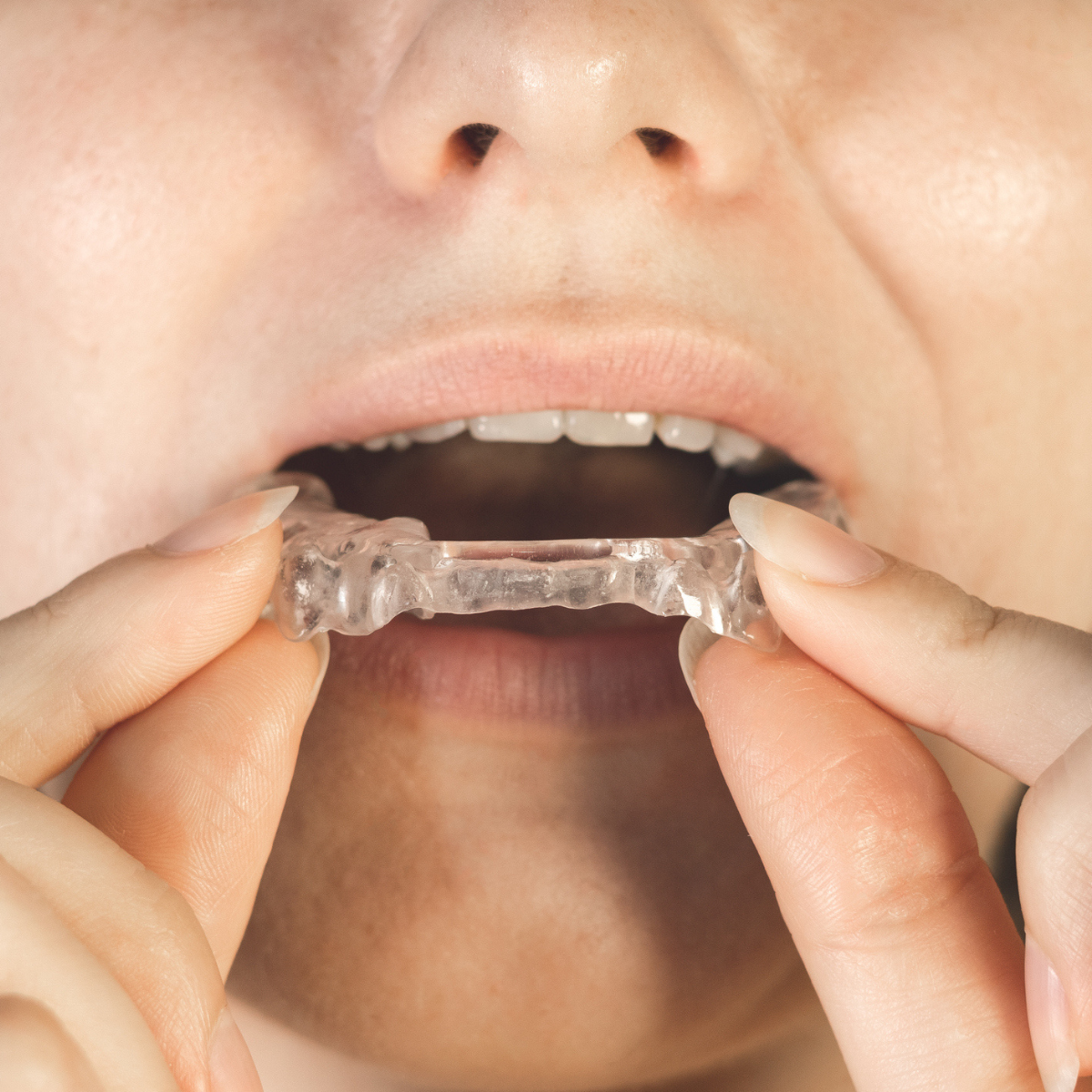
Splint and night guard are often used interchangeably, but their functions are slightly different. If you are suffering from bruxism or TMJ, it is essential to comprehend the difference between a TMJ splint and a night guard to help you alleviate your condition.
In general, the purpose of both types is to stabilize and support the joints and muscles in order to prevent malocclusion, or the improper positioning of teeth when the jaws are closed. TMJ splints offer greater vertical support than night guards and guide the lower jaw into a more natural, comfortable position.
Learn about TMJ treatment in Gilbert, AZ
TMJ disorder can affect everyone, and if you are unclear whether you need a night guard or a TMJ splint, your dentist will examine you thoroughly and explain your options. A night guard and a TMJ splint are two dental devices designed to meet the diverse needs of patients with TMJ.
Both splints and night guards are used to prevent teeth grinding, yet they have different functions. A TMJ splint is customized for each patient and helps to stabilize the jaw, whereas a night guard primarily protects the teeth from grinding. If you are experiencing symptoms of bruxism or TMJ, you should contact your dentist to establish which type of protection is appropriate.
Stabilization splints, also known as permissive splints, are designed to avoid harmful contact between teeth and provide a bite surface that is compatible with the jaw joints. This alleviates pain by allowing the jaw muscles to relax.
True to their name, repositioning splints attempt to realign the jaw to its ideal position. Your teeth will not slide across the biting plane because of the indentations on these devices.
A NTI-tss (Nociceptive Trigeminal Inhibition Tension Suppression System) device is worn exclusively on the top front teeth to reduce clenching and grinding. This type of appliance is notably beneficial for reducing migraines and headaches associated with facial pain. Due to the fact that it only fits on a few teeth, it places them under considerable stress, which might be damaging. Due to its small size, there is a risk of ingestion or aspiration if it falls off during the night.
Using an occlusal bite splint, you can reposition your lower jaw into a more natural position, allowing your jaw joint and muscles to relax. This TMJ splint releases the muscles gradually and is primarily worn while sleeping.
According to the National Institutes of Health, "if a splint is needed, it should be worn for a brief amount of time and should not cause permanent changes in the bite." If a splint causes or worsens pain, you should discontinue use and consult with the practitioner who fabricated it.
A soft night guard is made from a rubber-like, malleable material. This type decreases symptoms of teeth grinding by creating a soft barrier between the teeth. It is typically recommended for those with mild bruxism.
The interior of a hybrid night guard is made of soft rubber material, while the exterior is made of hard acrylic material. It functions as a barrier between the teeth, with a more comfortable inside and a strong bite surface. People who grind moderately or heavily are advised to wear this night guard.
Acrylic is used for the inner and exterior of a hard night guard. Acrylic material is frequently recommended for the heaviest grinders due to its remarkable durability.
If you are experiencing any of the symptoms associated with bruxism or TMJ, it is important to consult with your dentist in Gilbert. Dr. John A. Garza DDS, LVIF, FIAPA, FICOI can help you understand the difference between a TMJ splint and a night guard and determine which treatment option is best for your specific case. Schedule an appointment at our Gilbert dental office today — no referral needed. Call (480) 539-7979 or book online anytime.
Book a TMJ consultation in Gilbert, AZ
About the Author
Dr. John A. Garza DDS, LVIF, FIAPA, FICOI has been practicing dentistry in Gilbert, AZ since 1994. He is highly trained in neuromuscular and physiologic dentistry, with extensive experience diagnosing and treating TMJ disorder, bruxism, and jaw dysfunction at his Gilbert dental practice.

.png)
.png)
Whether you’re overdue for a cleaning, looking for relief from TMJ pain and migraines, or are ready to transform your smile, Dr. John A. Garza welcomes new patients to his Gilbert dental office.
Book your appointment online in seconds or call to speak with our friendly team.

Welcoming New Patients
Most Insurances Accepted
1,000’s of Happy Patients