TMJ Dislocation: What It Is, What Causes It, and What to Do
A Gilbert TMJ dentist explains causes, symptoms, what to do immediately, and how to prevent recurrence.
Published on
May 4, 2026

A Gilbert TMJ dentist explains causes, symptoms, what to do immediately, and how to prevent recurrence.
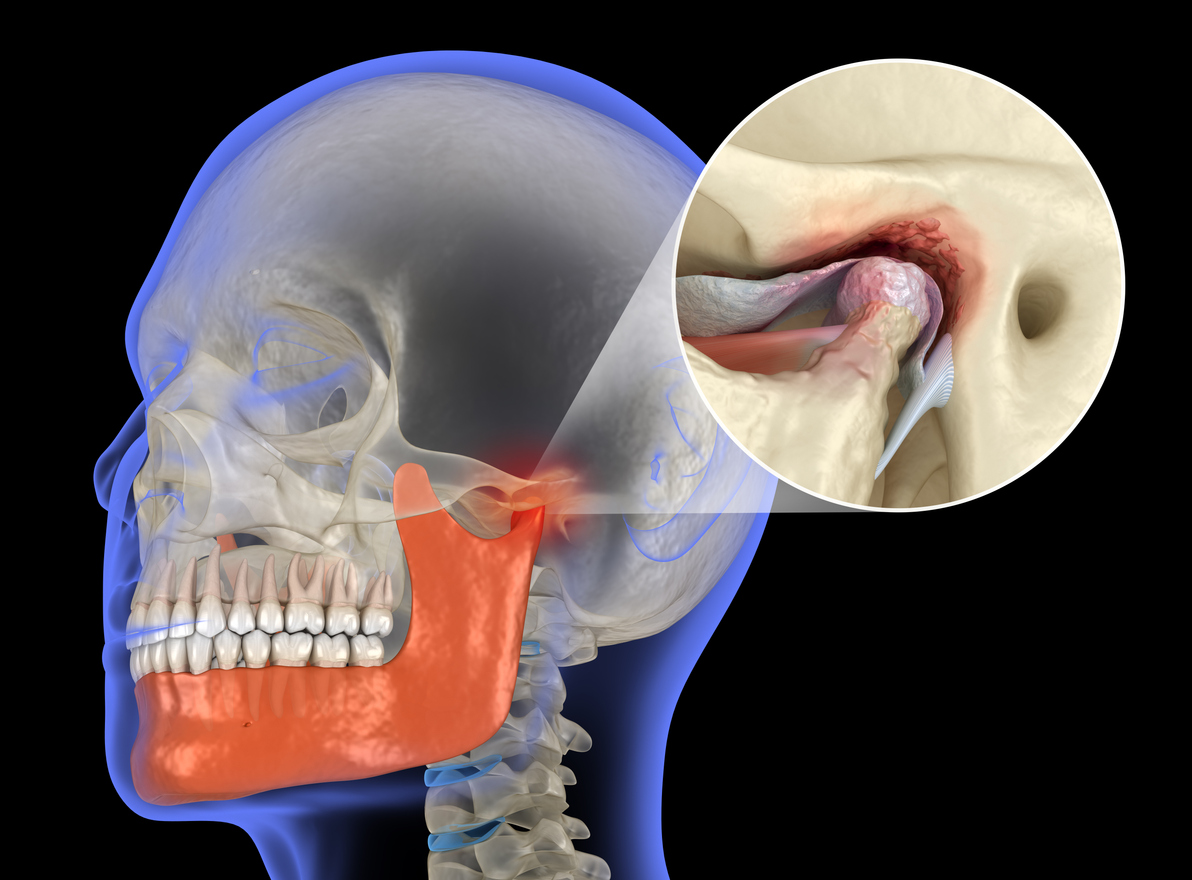
TMJ Dislocation: What It Is, What Causes It, and What to Do
Temporomandibular joint dislocation occurs when the jaw condyle slips forward, displacing its position inside the glenoid fossa and stretching the facial ligaments and muscles. Dislocations typically occur when the mouth is wide open — during a wide yawn, biting into something large, or during a dental procedure.
Learn about TMJ diagnosis and treatment at our Gilbert dental office → East Valley TMJ
What Is Jaw Dislocation?
Dislocation of the lower jaw occurs when it shifts out of its usual position. Seek medical attention immediately if you suspect a dislocated jaw. Never attempt to reposition a dislocation yourself. Symptoms include:
• Inability to close the mouth
• An overbite or underbite not previously present
• Facial or jaw pain
• Misalignment of the lower jaw with the upper jaw
• Stiffness and difficulty moving the jaw
Possible Causes
Sudden Impact or Wide Opening
Dislocation most commonly follows extreme opening of the mouth — eating, yawning, laughing, singing, vomiting, or dental treatment. It can also be caused by dystonic medication responses, convulsions, or tetanus infection.
What to Do When TMJ Dislocation Occurs
Immediate Self-Care
Seek medical assistance immediately. On the way, gently support the jaw with a hand or loose bandage. After professional repositioning, manage pain with medication and cold packs applied for 10–20 minutes every two to three hours. Eat soft foods to minimize jaw movement during recovery.
Professional Repositioning
The jaw muscles must be relaxed for the condyle to return to its natural position. Some patients require a local anesthetic injection in the jaw joint. A physician or dentist can then reposition the condyle once the muscles have relaxed.
Prevention
In patients with lax TMJ ligaments, restricting jaw range of motion is recommended— for example, supporting the chin when yawning to prevent the mouth from opening too far.
Frequently Asked Questions
Is a dislocated jaw serious?
Yes. It can damage nerves, tendons, and muscles in the area, and can affect the ability to speak or eat.
How is jaw dislocation treated?
The standard treatment is manual reduction of the condyle back into the glenoid fossa, performed by a physician or dentist.
Experiencing Jaw Pain or Locking? See Dr. Garza in Gilbert.
If you are experiencing jaw locking, clicking, or episodes of dislocation, Dr. John A. Garza DDS, LVIF, FIAPA, FICOI can evaluate your TMJ and recommend appropriate treatment. No referral needed — book online or call (480) 539-7979.
About the Author
Dr. John A. Garza DDS, LVIF, FIAPA, FICOI has been practicing dentistry in Gilbert, AZ for over 25 years. He is highly trained in neuromuscular and physiologic dentistry, with extensive experience diagnosing and treating TMJ disorder, orofacial pain, and jaw dysfunction. One of fewer than 500 dentists worldwide to hold the LVIF designation from the Las Vegas Institute for Advanced Dental Studies.

.png)
.png)
Whether you’re overdue for a cleaning, looking for relief from TMJ pain and migraines, or are ready to transform your smile, Dr. John A. Garza welcomes new patients to his Gilbert dental office.
Book your appointment online in seconds or call to speak with our friendly team.

Welcoming New Patients
Most Insurances Accepted
1,000’s of Happy Patients